The pathologies of knowledge, or hard lessons from cutting my teeth on Calvinism Protestant Christianity in America consists of a veritable alphabet soup of denominations, so saying that I grew up in the OPC probably means nothing to you. If it does, lol wow I’m sorry and I probably know you. What if I also told you that my Christian high school Matthew A. Stanley • Theology
What sort of problem is a human? I was at work on a summer afternoon in 2018 when I received a surprising email. It was the editor from a journal I had forgotten I'd submitted a paper to. I only let that trip me up for a moment though, because he was saying that the Matthew A. Stanley • Theology
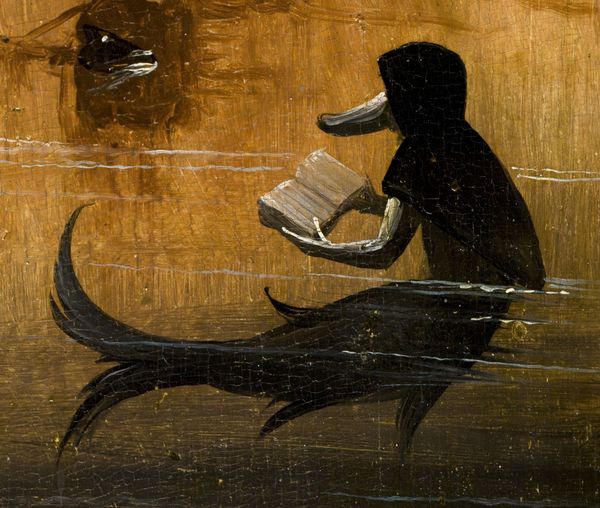
A goth shark-man reads a book. What is he reading? Announcement: book release date Some of you might know that I've been writing a book about Endo Shusaku's novel Silence. Well, I'm happy to say that I've reached the point where I'm ready to publicly commit to a release date for the book. This Matthew A. Stanley
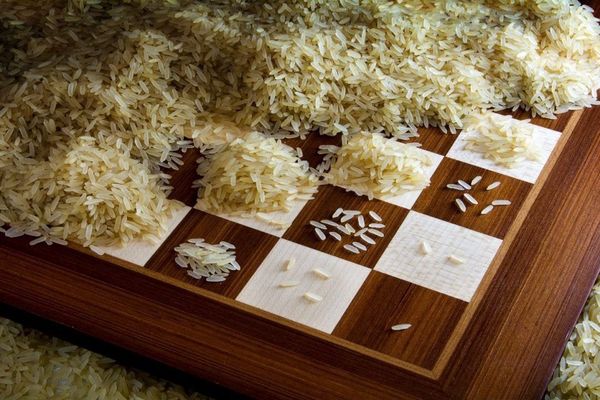
Compound interest is the 8th wonder of the world The first years will kill you: the surprising cost effects of graduate program structure Most students only look at the price tag for a graduate program, but it’s crucial to understand the difference between price and final cost. The sticker price of fees and cost per credit aren’t a reliable guide to final cost. Matthew A. Stanley
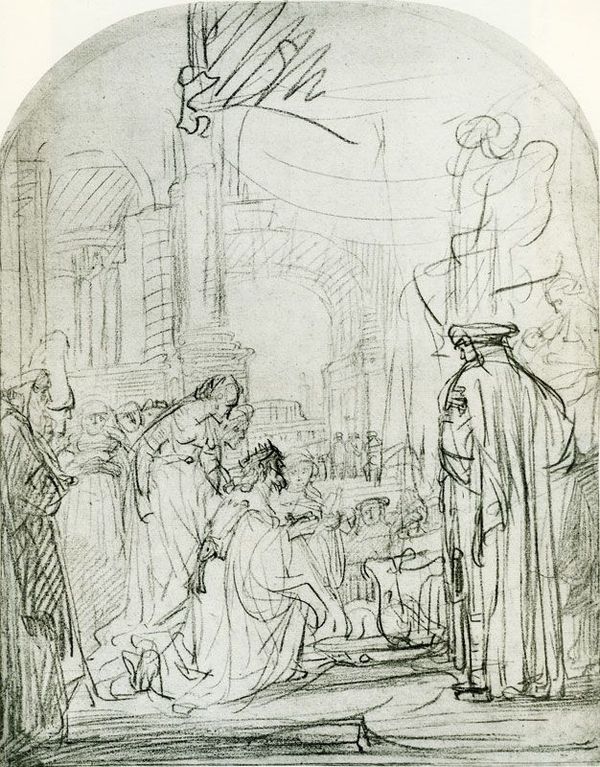
Rembrandt's "Solomon's Idolatry" Idols and Egos: psychoanalysis as a Jewish science The critique of idolatry in Judaism You shall not make for yourself an idol, whether in the form of anything that is in heaven above, or that is on the earth beneath, or that is in the water under the earth. — Exodus 20:4 "The idols of the nations Matthew A. Stanley • Psychoanalysis
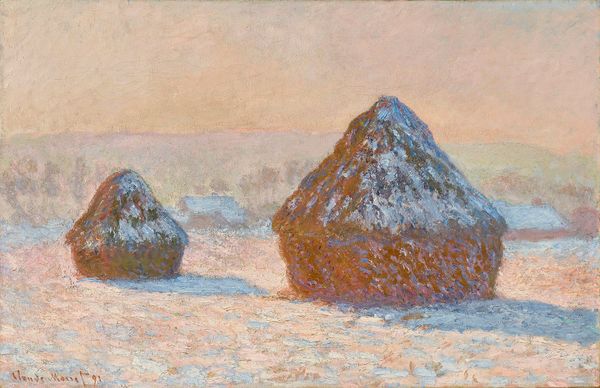
Snow on the Haystacks, by Monet Fearing the gap - how Lacan's thought derives from Saussure 📚I recommend reading these crucial couple of pages from Saussure's Course in General Linguistics to derive the most value from this essay! In his Seminar VI: Desire and its Interpretation, Jacques Lacan briefly states that “a signifier does not concern a third thing that it supposedly represents but Matthew A. Stanley • Psychoanalysis